Since 1986, as a way to protect the environment in the area and mitigate particulate matter, the Las Cenizas Mining Group has carried out reforestation projects in the town of Cabildo that establish vegetation cover over the entire surface of tailings ponds that have reached the end of their useful life, recovering and reintegrating these lands into the natural landscape of the area.
Environment
Our commitment to the environment is a central pillar of our operational and business management, in line with the principle of social responsibility outlined in our Sustainability Policy.
Our commitment includes meticulous control of emissions and water reuse, with ongoing soil recovery and reforestation efforts. In this context, the Las Cenizas Mining Group has developed multiple initiatives of great environmental significance which are recognized by the mining world:
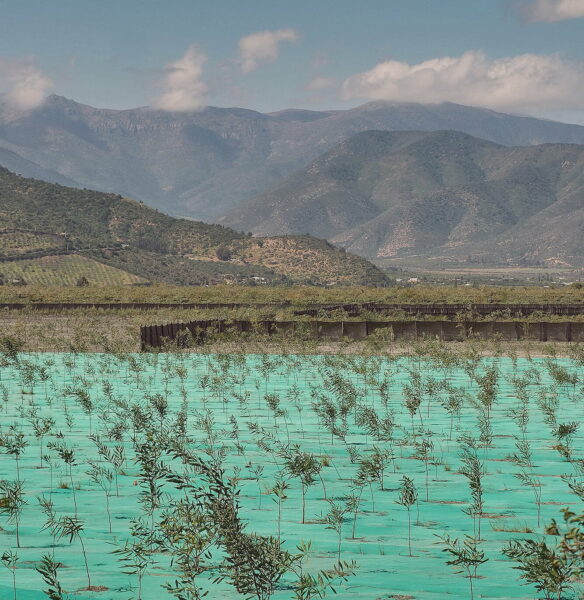
Reforestation in Cabildo

Road maintenance
Ongoing road maintenance is part of the environmental protection program
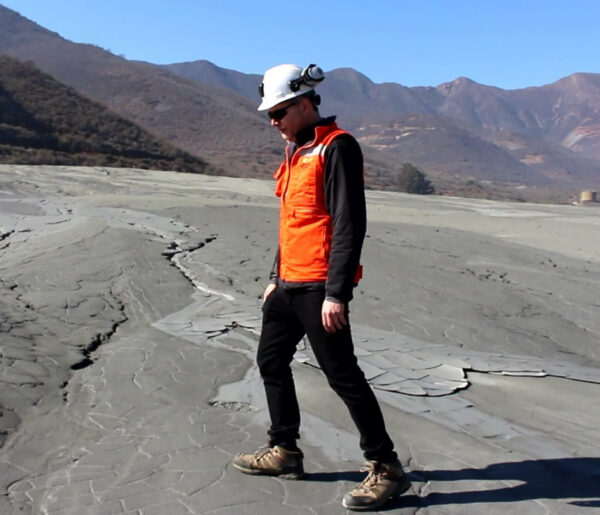
Paste deposit in Cabildo.
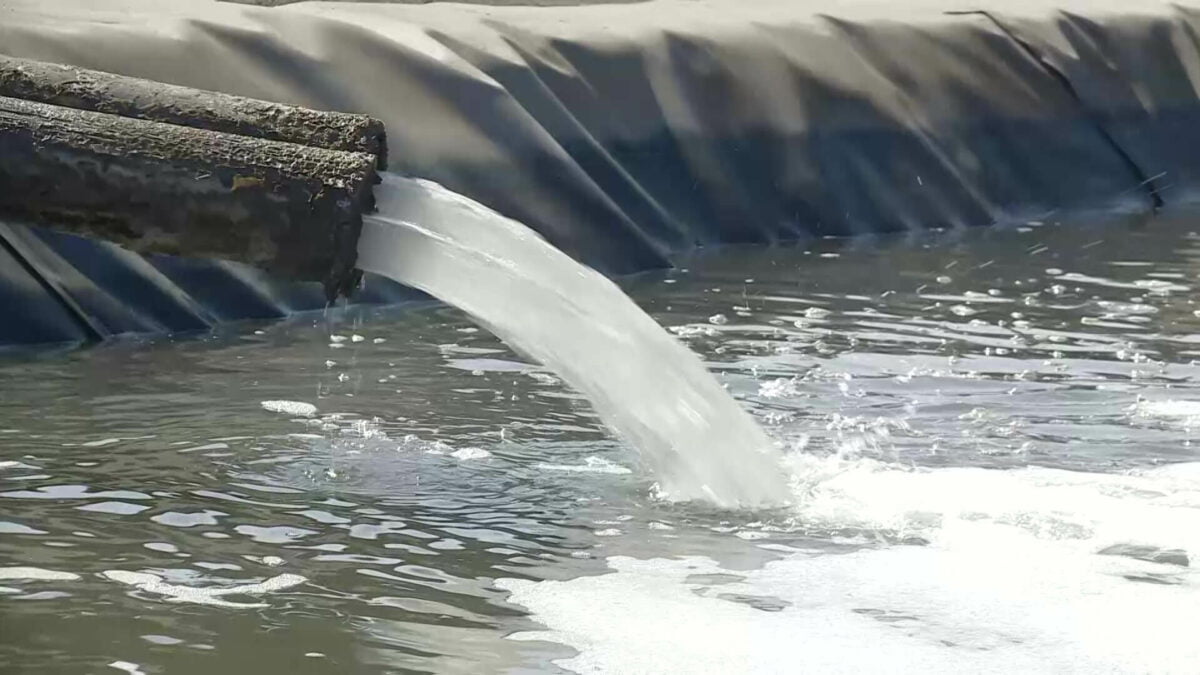
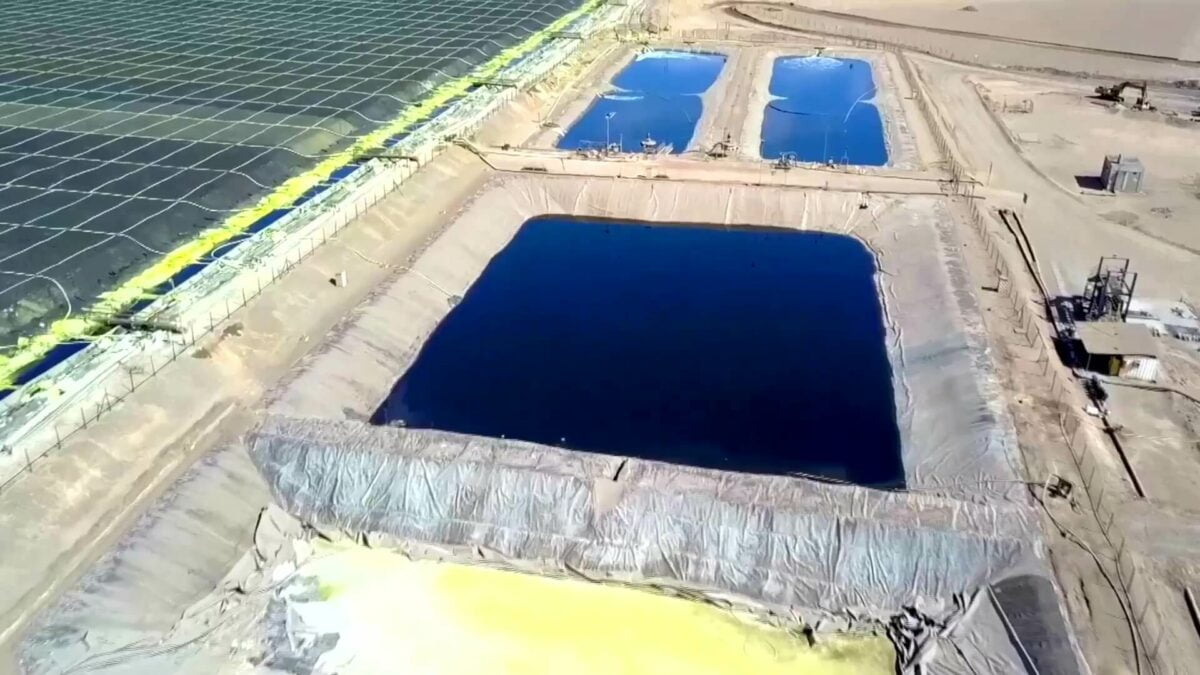
Since 2009, as a way to ensure the stability of tailings deposits to prevent air pollution from wind action and the infiltration of liquids from the process into the groundwater, the tailings from the concentrator plant undergo a water extraction process, allowing the tailings to be deposited in paste form.
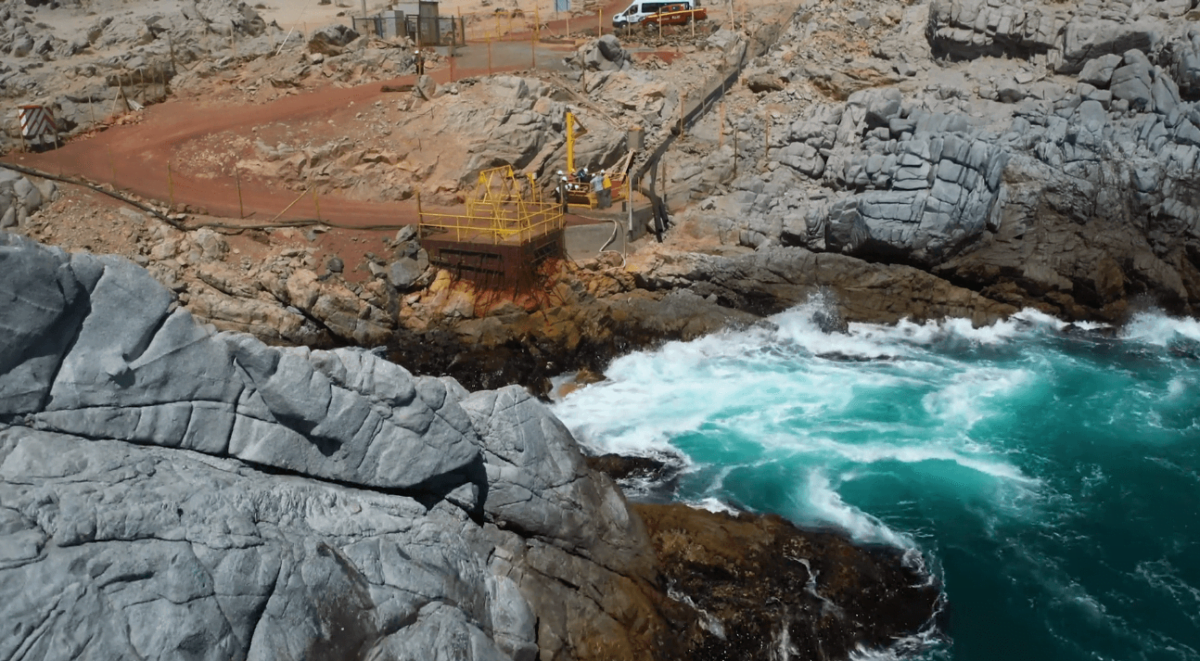
Industrial seawater in Taltal
In 1995, faced with the need to conserve scarce continental water resources in the Taltal area, the Las Cenizas Mining Group implemented an innovative industrial water supply system based on natural seawater-without desalination-extracted from Lavata Bay, located 2.5 km northeast of Caleta Cifuncho and 7 km northwest of the Las Luces Plant. Northwest of the Las Luces Plant. In addition, up to xx% of this water is recovered and reused in the process, without generating discharges into the sea or groundwater.
The process involves a collection base using submerged pipes in the sea, which are connected to low and high lift stations that carry a flow of one hundred liters per second to the Las Luces Plant. There, the water is used in its original state.
Part of the flow-50 liters per second-is sent to the Oxides Plant, where, through industrial desalination by osmosis, using electricity from solar panels, it is used in the leaching process.